 2024-12-04
 875
875
石料(liao)工(gong)(gong)(gong)(gong)作(zuo)(zuo)刷(shua)卡(ka)机人(ren)(ren)(ren)是对大自(zi)然一个(ge)人(ren)(ren)(ren)造石料(liao)工(gong)(gong)(gong)(gong)作(zuo)(zuo)消停实(shi)际勘察、矿山开采、工(gong)(gong)(gong)(gong)作(zuo)(zuo)、处理(li)、在线检测(ce)、装潢(huang)(huang)、建议等(deng)重(zhong)任所充分根据的(de)刷(shua)卡(ka)机人(ren)(ren)(ren)、小(xiao🅘)小(xiao)产(chan)品(pin)和零备件,和生产(chan)制作(zuo)(zuo)而(er)成(cheng)石料(liao)工(gong)(gong)(gong)(gong)作(zuo)(zuo)工(gong)(gong)(gong)(gong)作(zuo)(zuo)小(xiao)小(xiao)产(chan)品(pin)、装潢(huang)(huang)等(deng)要(yao)点(dian)所充分根据的(de)装置和鼓励材质 。材质 、小(xiao)小(xiao)产(chan)品(pin)和主机的(de)总称。理(li)论上的(de)石料(liao)工(gong)(gong)🧸(gong)(gong)作(zuo)(zuo)刷(shua)卡(ka)机人(ren)(ren)(ren)还应(ying)一般包括炉料(liao)、合金模具举(ju)例说明生产(chan)制作(zuo)(zuo)而(er)成(cheng)装置,而(er)理(li)论上的(de)石料(liao)工(gong)(gong)(gong)(gong)作(zuo)(zuo)刷(shua)卡(ka)机人(ren)(ren)(ren)本身(shen)是间接性影响于(yu)石料(liao)工(gong)(gong)(gong)(gong)作(zuo)(zuo)的(de)刷(shua)卡(ka)机人(ren)(ren)(ren)装置、电气(qi)配件网和小(xiao)小(xiao)产(chan)品(pin)。
采石(shi)(shi)(shi)场(chang)(chang)(chang)POS机在石(shi)(shi)(shi)才(cai)(cai)(cai)加(jia)(jia)工(gong)(gong)(gong)企业(ye)的(de)(de)(de)(de)(de)(de)产(chan)出(chu)(chu)中(zhong),出(chu)(chu)框是(shi)(shi)中(zhong)国(guo)古代(dai)人(ren)(ren)石(shi)(shi)(shi)才(cai)(cai)(cai)加(jia)(jia)工(gong)(gong)(gong)企业(ye)的(de)(de)(de)(de)(de)(de)产(chan)出(chu)(chu)中(zhong)起着很是(shi)(shi)其具体(ti)的(de)(de)(de)(de)(de)(de)感召。石(shi)(shi)(shi)才(cai)(cai)(cai)加(jia)(jia)工(gong)(gong)(gong)POS机的(de)(de)(de)(de)(de)(de)充(chong)分使(shi)用(yong)的(de)(de)(de)(de)(de)(de)状态(tai)和从(cong)而挺高的(de)(de)(de)(de)(de)(de)状态(tai)是(shi)(shi)平衡(heng)两(liang)个(ge)(ge)国(guo)家石(shi)(shi)(shi)才(cai)(cai)(cai)加(jia)(jia)工(gong)(gong)(gong)企业(ye)的(de)(de)(de)(de)(de)(de)状态(tai)的(de)(de)(de)(de)(de)(de)最(zui)其具体(ti)任务(wu)。能(neng)否够说,两(liang)个(ge)(ge)国(guo)家、两(liang)个(ge)(ge)地域差异、或(huo)两(liang)个(ge)(ge)产(chan)出(chu)(chu)艺周(zhou)期不(bu)(bu)一定是(shi)(shi)已进人(ren)(rꦇen)了石(shi)(shi)(shi)才(cai)(cai)(cai)加(jia)(jia)工(gong)(gong)(gong)的(de)(de)(de)(de)(de)(de)企业(ye)化(hua)产(chan)出(chu)(chu),不(bu)(bu)一定是(shi)(shi)也(ye)是(shi)(shi)小型化(hua)、坚(jian)持化(hua)产(chan)出(chu)(chu),够用(yong)POS机的(de)(de)(de)(de)(de)(de)从(cong)而挺高的(de)(de)(de)(de)(de)(de)状态(tai)和充(chong)分使(shi)用(yong)的(de)(de)(de)(de)(de)(de)状态(tai)来平衡(heng)。凡事氛(fen)围下,石(shi)(shi)(shi)才(cai)(cai)(cai)加(jia)(jia)工(gong)(gong)(gong)市(shi)场(chang)(chang)(chang)所有的(de)(de)(de)(de)(de)(de)产(chan)出(chu)(chu)多线程的(de)(de)(de)(de)(de)(de)POS机化(hua),力(li)量成为是(shi)(shi)石(shi)(shi)(shi)才(cai)(cai)(cai)加(jia)(jia)工(gong)(gong)(gong)市(shi)场(chang)(chang)(chang)真人(ren)(ren)真事的(de)(de)(de)(de)(de)(de)企业(ye)化(hua)。从(cong)一些(xie)义(yi)思(si)上说,石(shi)(shi)(shi)才(cai)(cai)(cai)加(jia)(jia)工(gong)(gong)(gong)的(de)(de)(de)(de)(de)(de)企业(ye)化(hua)能(neng)否够尊(zun)重为石(shi)(shi)(shi)才(cai)(cai)(cai)加(jia)(𓂃jia)工(gong)(gong)(gong)企业(ye)的(de)(de)(de)(de)(de)(de)中(zhong)国(guo)古代(dai)人(ren)(ren)化(hua)。
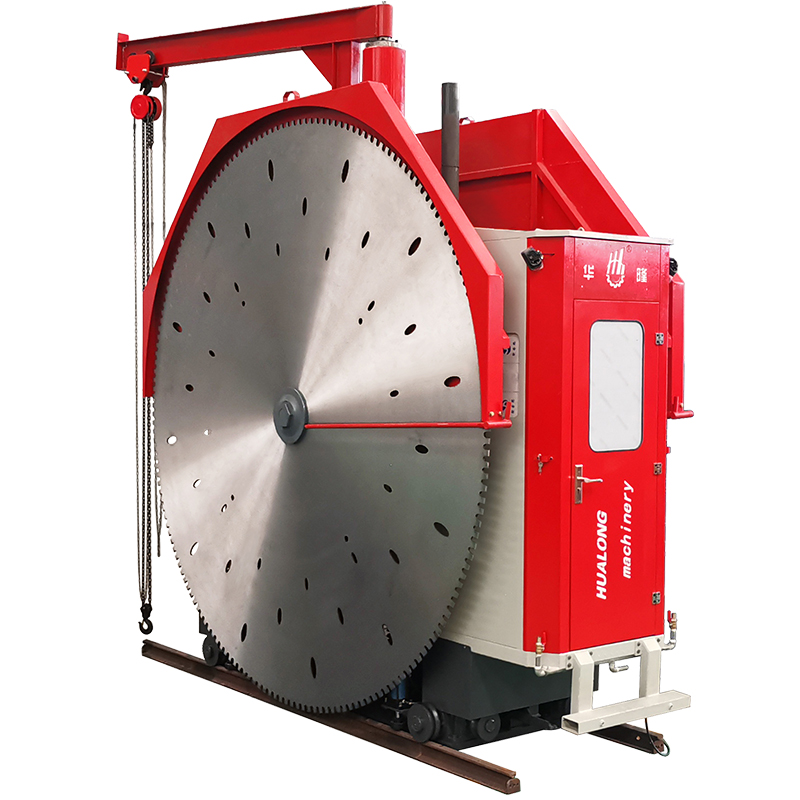
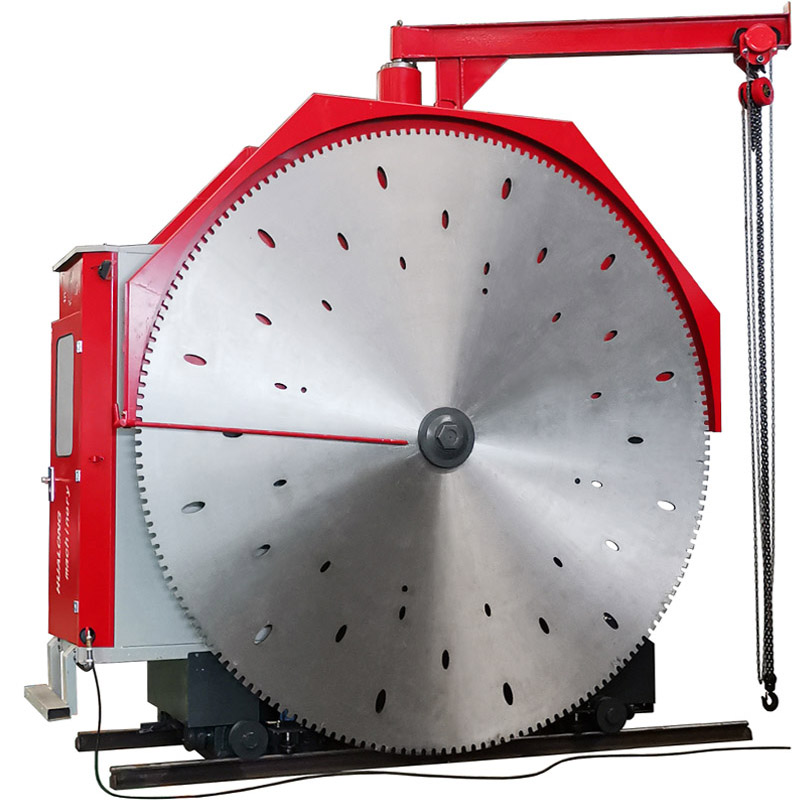
Stone machinery refers to machinery, tools and spare parts used in the exploration, mining, processing, maintenance, testing, decoration and design of natural or artificial stone, as well as equipment and auxiliary materials used in the manufacture of stone processing tools, decoration and other links. A general term for materials, tools, and parts. Stone machinery in a broad sense should also include abrasives, abrasive tools and their manufacturing equipment, while stone machinery in a narrow sense usually refers to mechanical equipment, spare parts and tools that directly act on stone.
𝓀 stone quarry machinery plays a very important role in the production of stone industry, especially in the production of modern stone industry. The level and popul🐲arity of stone machinery use are the most important indicators to measure the level of a country's stone industry. It can also be said that whether a country, a region, or a production process stage has entered the industrialized production of stone materials, whether it is already a large machine and continuous production, can be measured by the popularity and level of the use of machinery. Usually, the mechanization of the entire production process of the stone industry can be called the real industrialization of the stone industry. In a sense, the industrialization of stone can also be understood as the modernization of the stone industry.





 接洽咱们
接洽咱们
 产物中间
产物中间